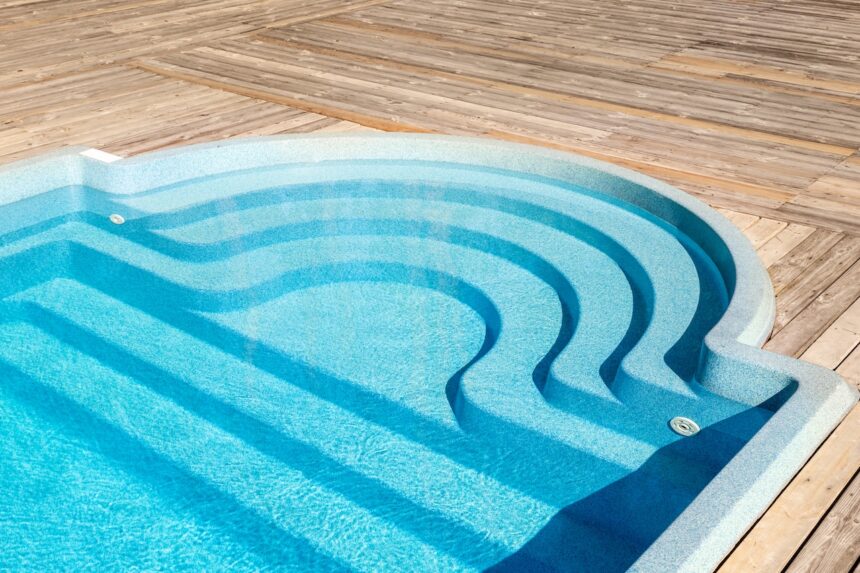
Installing an in-ground fiberglass pool transforms your backyard into a permanent personal oasis. These beautiful structures offer incredible durability, a smooth finish, and significantly lower overall upkeep compared to traditional concrete or vinyl liner options. However, “low maintenance” does not mean “zero maintenance.” Many homeowners inadvertently make critical errors that damage their pool’s interior surface or severely compromise the water quality. By understanding these frequent missteps, you can protect your financial investment and enjoy crystal-clear water all season long. This guide highlights the most common fiberglass pool maintenance mistakes and shows you exactly how to avoid them effectively.
Using Abrasive Cleaning Tools
Fiberglass pools feature a specialized, highly durable gel coat that provides a smooth, stain-resistant surface. Many well-meaning owners ruin this protective finish by scrubbing the walls with stiff-bristled concrete brushes, pumice stones, or harsh scouring pads. Once you scratch the shiny gel coat, you create microscopic grooves where algae and bacteria easily take root and multiply rapidly.
How to avoid it: Always use soft nylon pool brushes or specialized fiberglass cleaning sponges. Wipe down the walls and steps gently. Because the fiberglass surface is naturally non-porous, it rarely requires aggressive scrubbing to remove loose dirt or algae spores.
Ignoring Proper Water Chemistry
Because fiberglass naturally resists algae growth, some owners become lazy and neglect their weekly water testing. Poor water chemistry causes massive, expensive problems over time. High pH and excess calcium levels lead to white scale buildup along the walls, making the smooth surface feel like rough sandpaper. Conversely, low pH turns the water highly acidic, which can permanently fade or degrade the vibrant gel coat.
How to avoid it: Test your pool water at least twice a week using a high-quality liquid test kit. Maintain a pH level exactly between 7.4 and 7.6. Keep your total alkalinity between 80 and 120 parts per million. Properly balancing your water chemistry prevents hard scaling and protects your pool’s rich color.
Draining the Pool Improperly
Never drain a fiberglass pool on your own. This stands as the single most expensive and destructive mistake an owner can make. Groundwater exerts immense hydrostatic pressure against the outside of the underground shell. The heavy water inside the pool pushes back, keeping everything perfectly balanced. When you drain the water inside, the massive outward pressure from the wet dirt can cause the entire fiberglass shell to crack, bulge, or pop completely out of the ground.
How to avoid it: If you absolutely must lower the water level for major repairs, hire a licensed pool professional. Experts know exactly how to manage hydrostatic relief valves and safely monitor ground moisture levels before draining the shell.
Neglecting the Waterline
Sunscreen, natural body oils, and environmental debris constantly float to the top of your pool water and stick to the edges. Over time, this creates an ugly, dark scum ring that bakes directly into the surface under the hot summer sun. Ignoring this sticky buildup for weeks makes it extremely difficult to remove later without using harsh, damaging chemicals.
How to avoid it: Wipe your waterline down completely once a week. Use a pool-safe enzyme cleaner and a soft microfiber cloth to wipe away the oils. A quick, consistent wipe prevents stubborn stains from setting into the gel coat permanently.
Protect Your Backyard Investment
Maintaining your fiberglass pool requires minimal physical effort when you follow the right procedures. Put away the abrasive brushes, keep a strict eye on your chemical balance, and always leave full draining to the experts. Build a simple weekly cleaning routine today to keep your water pristine and your pool looking brand new for decades.