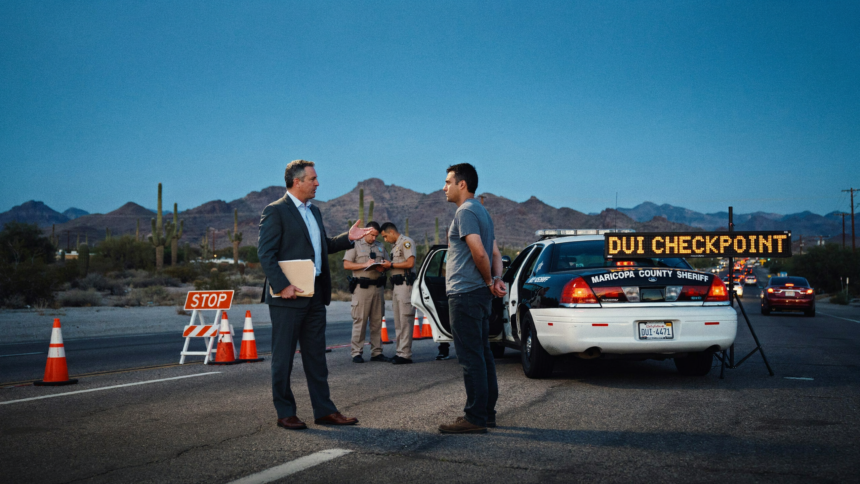
Yes. In Phoenix, a person may face a DUI charge while sitting in a parked car if the circumstances indicate actual physical control while impaired.
- Main Takeaways
- Can You Get a DUI in a Parked Car in Phoenix?
- What Does “Actual Physical Control” Mean in Arizona?
- Why Being Parked Doesn’t Automatically Prevent a DUI
- What Factors Affect Actual Physical Control?
- Does the Engine Need to Be Running?
- Can You Get a DUI While Sleeping in Your Car?
- Does Your Seat or Location in the Car Matter?
- How Do Arizona Courts Evaluate the Circumstances?
- What Happens During a Phoenix Parked-Car DUI Arrest?
- What Penalties Can Follow an Arizona DUI Conviction?
- Can You Challenge an Actual Physical Control Charge?
- What Evidence Could Help Your Defense?
- What Should You Do After a Phoenix DUI Arrest?
- When Should You Contact a Phoenix DUI Lawyer?
- How Can You Reduce the Risk of a Parked-Car DUI?
- Frequently Asked Questions
- Can a Passenger in a Parked Car Be Charged With DUI in Phoenix?
- Does Arizona’s Implied Consent Law Apply if I’M Found in a Parked Car?
- Can I Be Charged With DUI on Private Property in Phoenix?
- How Long Does a Parked-Car DUI Case Typically Take in Arizona?
- Will a Parked-Car DUI Appear on My Arizona Driving Record?
- —————————
Arizona courts consider the full situation, including the person’s seat, access to ignition devices and controls, engine status, and the vehicle’s location and position. A running engine or moving car isn’t required, and a charge isn’t a conviction.
Suzuki Law Offices explains the factors that may shape a case. Learn more from a DUI Lawyer in Phoenix.
Main Takeaways
- Yes. Arizona can charge DUI when a person is impaired and in actual physical control of a parked vehicle.
- Courts consider the total circumstances; no single fact, including a running engine, automatically decides control.
- Relevant facts include seat location, access to keys and controls, parking location, vehicle operability, and risk of movement.
- Sleeping or parking to avoid driving may support a defense, but neither guarantees dismissal of the charge.
- An arrest is not a conviction; prosecutors must prove the required elements beyond a reasonable doubt.
Can You Get a DUI in a Parked Car in Phoenix?
In Phoenix, a person may face a DUI charge even if the vehicle is parked, because Arizona law focuses on whether the person was in “actual physical control” of the vehicle while impaired—not solely on whether it was moving. A parked-car allegation can lead to criminal proceedings and separate administrative action affecting driving privileges. The facts, including where officers found the vehicle and what they observed, may influence how the case is evaluated.
After an arrest, the Phoenix DUI court process may include an initial appearance, release conditions, evidence disclosure, and later hearings. A driver may also need to respond promptly to an Arizona DUI license suspension notice; administrative deadlines can differ from court dates. Missing a deadline may limit available options.
For people who depend on driving to work, care for family, or serve their community, early legal guidance can help clarify obligations and protect procedural rights. Each case turns on its specific evidence, and a charge is not a conviction.
What Does “Actual Physical Control” Mean in Arizona?
Although the vehicle need not be moving, Arizona’s “actual physical control” standard asks whether the person had present control of it while impaired. Arizona’s statutory definition prohibits driving or being in actual physical control of a vehicle while under the influence. The statute does not provide a single, mechanical test for deciding when control exists.
Instead, appellate courts require a totality-of-the-circumstances analysis. Relevant facts may include where the vehicle was found, whether its engine was running, the person’s location in or around it, and whether the person had access to the car keys. The circumstances can also show whether the vehicle posed a risk of movement or whether the person had taken steps to avoid driving.
For Phoenix drivers, the legal question is fact-specific and not determined by a single detail. A careful review of the stop, officer observations, and surrounding evidence can help clarify how Arizona law applies. Counsel can assess those facts and explain potential defenses and next steps.
Why Being Parked Doesn’t Automatically Prevent a DUI
A parked vehicle can still lead to a DUI charge in Arizona because the law covers not only driving but also being in “actual physical control” while impaired. Under Arizona law, an officer need not see the vehicle move before investigating suspected impairment. A Phoenix driver may consequently face questioning, testing, or arrest even when the car is stationary.
| Situation | Possible officer response | Why it matters |
|---|---|---|
| Vehicle stopped roadside | Investigate impairment | Movement is not required |
| Driver found in a parking lot | Assess control and condition | A parked setting is not automatic protection |
DUI arrest procedures may include field sobriety testing, chemical testing, and booking, subject to applicable law. An arrest is not proof of guilt; prosecutors must establish the required elements, and the circumstances may be challenged. If you’re concerned about protecting family, coworkers, or community members, prompt legal guidance can clarify deadlines and preserve relevant evidence. Each case depends on its record, and a qualified Arizona attorney can explain options without assuming that parking alone resolves the matter.
What Factors Affect Actual Physical Control?
Whether a parked driver was in “actual physical control” depends on the circumstances, not simply whether the vehicle was moving. Arizona courts consider the totality of the evidence to assess whether the person could readily operate the vehicle and posed a potential risk on public roads.
Relevant facts may include where the vehicle was located, whether it was on a Phoenix street, in a parking lot, or safely off the roadway, and whether it was positioned to leave. The driver’s location, access to the ignition keys, and statements about plans to drive may also matter. Weather conditions can provide context, such as whether a person sought shelter from heat or rain, but do not decide the issue alone.
Passenger testimony, officer observations, video, and other evidence may support competing interpretations. A person who remained in a vehicle while arranging a safe ride may present different circumstances from someone preparing to depart. Each case turns on its specific facts, and careful review can help clarify the available defenses.
Does the Engine Need to Be Running?
The engine does not necessarily need to be running for Arizona to find that a person had actual physical control of a vehicle. In Phoenix, courts assess the circumstances as a whole, not simply whether the motor was on. Engine ignition status is relevant, but it is only one part of the inquiry into a driver’s ability to set the vehicle in motion.
Arizona courts consider the full circumstances, not just whether the engine was running, when evaluating actual physical control.
Circumstances that may inform that assessment include:
- Keys in the ignition or within reach
- A vehicle positioned beside a roadway or in a parking lot
- The driver seated behind the steering wheel
- Electrical accessory mode powering the dashboard or radio
These details do not automatically establish guilt. Their significance depends on the full context, including the vehicle’s location and the person’s access to its controls. Arizona’s actual-physical-control analysis is fact-specific, so a parked vehicle with a silent engine may still raise DUI concerns. A careful review of the stop, observations, and available evidence can help protect a person’s rights and clarify how the law applies.
Can You Get a DUI While Sleeping in Your Car?
Sleeping in a parked car does not automatically prevent a DUI charge; the central issue is whether the driver had actual physical control under local law. Officers may consider where the keys were, whether the person could access or operate the vehicle, and other circumstances. Evidence that the person was asleep may inform the assessment, but it does not resolve the question by itself.
Actual Physical Control
A parked car does not necessarily prevent a DUI charge: in many states, prosecutors can argue that a person had “actual physical control” of the vehicle even while asleep. In Arizona, this question depends on the circumstances, not simply whether the car moved. Phoenix-area officers and courts may consider the setting and evidence when evaluating whether someone could control the vehicle.
Relevant circumstances may include:
- Whether the vehicle was on a roadway, shoulder, or private lot
- Whether the engine was running or the car was otherwise operable
- Where the person was seated and whether the vehicle appeared ready to move
- Whether the person’s conduct suggested an intent to drive
A sleeping person may have parked to avoid driving impaired, a fact that can matter. A DUI arrest can also trigger an Administrative license suspension and, after conviction, ignition interlock requirements. Legal guidance can help protect the person’s rights and clarify available defenses.
Keys And Vehicle Access
Whether a person could operate the vehicle may depend partly on access to the keys and the car’s controls. In Phoenix, having keys nearby does not automatically establish DUI, but access may matter when officers assess actual physical control. A sleeping person should avoid the driver’s seat and keep keys away from the ignition.
| Circumstance | Possible significance | Practical step |
|---|---|---|
| Keys in ignition | May suggest immediate control | Remove keys |
| Keys in pocket | Access remains relevant | Store them away |
| Passenger seat | May reduce control concerns | Stay outside driver’s area |
Arizona courts consider the total circumstances, not a single fact. Vehicle ownership liability is distinct from criminal DUI liability; ownership alone does not prove control. After a conviction, Arizona law may require ignition interlock. A Phoenix DUI attorney can review the facts and explain your options.
Evidence Of Sleeping
Although sleeping in a parked car may explain why the driver wasn’t moving, it doesn’t automatically rule out DUI in Phoenix. Arizona officers may consider whether the person was in actual physical control, evaluating the full circumstances rather than sleep alone. Evidence of sleeping can support the explanation that the vehicle was being used for shelter, not transportation, but it may not settle the issue.
Relevant details may include:
- The driver’s sleeping position and whether they were behind the wheel
- Whether the engine was running or the keys were accessible
- The vehicle’s location, including a Phoenix roadway or private lot
- Witness testimony about when the car arrived and whether it moved
A clear account of these facts can help counsel evaluate the allegation and identify evidence that serves the driver’s interests.
Does Your Seat or Location in the Car Matter?
Seat and location can affect whether officers believe a person had actual physical control of a parked vehicle, but neither is decisive by itself. In Phoenix, a person found in the Driver’s seat may face closer scrutiny, particularly if the keys are accessible or the vehicle is positioned to travel. However, sitting there does not automatically establish a DUI. Police may also investigate someone in the passenger seat if other facts suggest they could operate the vehicle.
Location matters, too. A car stopped on a Phoenix street, in a parking lot, or on private property may raise different questions about whether it was used for transportation or simply as shelter. The vehicle’s position, its accessibility, and whether it was safely parked can provide context. These details may help explain a person’s actions and support a careful review of the allegation. Anyone seeking help should preserve relevant information and promptly consult an Arizona DUI attorney.
How Do Arizona Courts Evaluate the Circumstances?
Arizona courts assess the full context to determine whether a person had actual physical control of a vehicle while impaired. In Phoenix, no single fact automatically decides the issue. The court considers circumstances showing whether the person could readily operate the vehicle and whether that posed a danger.
Relevant details may include:
- Whether the engine was running or the ignition devices were accessible
- Where the vehicle was stopped, such as a roadside shoulder or private driveway
- Whether the person was in the driver’s seat or elsewhere in the vehicle
- Whether the person appeared to be sleeping, waiting for a ride, or preparing to drive
Arizona’s totality-of-the-circumstances approach allows competing facts to matter. A safe location or evidence that the person intended not to drive may support the defense, but neither guarantees a particular result. At trial, jury decision standards require jurors to evaluate the evidence and apply the court’s instructions. An appellate court review generally examines legal errors and whether the evidence supports the verdict, rather than retrying disputed facts.
What Happens During a Phoenix Parked-Car DUI Arrest?
During a Phoenix parked-car DUI arrest, officers may investigate whether the person had actual physical control of the vehicle, even if it was not moving. They may ask who drove, where the car keys were, whether the engine was running, and how the vehicle was positioned. Officers can request field sobriety tests and a breath or blood sample under Arizona’s implied-consent laws. A person may decline roadside tests, but refusing a requested chemical test can carry separate consequences.
If officers make an arrest, they generally transport the person for processing, document the investigation, and arrange booking and release under applicable procedures. Release conditions and timing depend on the circumstances and agency practices. The person should preserve relevant details, including witness names, location, and statements made, and promptly consult a Phoenix DUI lawyer. Counsel can review the stop, testing, and evidence, explain required appearances, and track the court timeline. Missing a hearing or release condition can complicate the case, so timely attention helps protect procedural rights.
What Penalties Can Follow an Arizona DUI Conviction?
If a parked-car DUI case results in a conviction, penalties depend on the charge, prior DUI history, test results, and case-specific facts. Arizona law sets different DUI sentencing ranges for standard, extreme, and aggravated offenses. A conviction may bring:
Arizona DUI penalties depend on the charge, prior offenses, test results, and circumstances, with separate sentencing ranges for standard, extreme, and aggravated offenses.
- Jail time, with minimums that increase for repeat offenses or higher alcohol readings.
- Fines and surcharges, plus possible alcohol screening, education, or treatment.
- License suspension or revocation, and ignition interlock requirements after driving privileges return.
- Probation, community service, or other court-ordered conditions, depending on the offense.
For Phoenix-area drivers, an Arizona Motor Vehicle Division suspension may proceed separately from the criminal case. Meeting court requirements does not automatically restore driving privileges; the license reinstatement process may require fees, proof of compliance, and an interlock device. A person facing conviction can benefit from understanding each deadline and obligation, especially when family, work, or caregiving responsibilities depend on reliable transportation. Penalties vary, and the court applies the law to the individual record and circumstances.
Can You Challenge an Actual Physical Control Charge?
An Arizona actual physical control charge may be challenged by examining whether the driver had control of the vehicle under the circumstances, even if it was parked. The defense may also question the reliability of impairment evidence, including test results and their collection. The officer’s observations and the basis for the arrest can likewise be disputed.
Challenge Vehicle Control
A parked-car DUI charge may be challenged by disputing whether the driver had actual physical control of the vehicle under the law of the state where the arrest occurred. In Phoenix, Arizona courts assess the circumstances as a whole, not merely whether the engine was running. Relevant facts may include:
- Whether the vehicle was legally parked on private property or a public roadway
- Whether the car keys were in the ignition, in the driver’s possession, or elsewhere
- Whether Vehicle immobilization features, such as a flat tire or blocked wheels, prevented movement
- Whether the person occupied the driver’s seat or another part of the vehicle
A defense may use photographs, witness accounts, and vehicle records to clarify these circumstances. Each case turns on its specific facts; careful review can help protect a client’s rights and support a fair outcome.
Question Impairment Evidence
Even when the state can show actual physical control, prosecutors must still prove impairment under Arizona law. In a Phoenix DUI case, the defense may examine whether breath or blood results reliably establish impairment at the relevant time. Breathalyzer calibration records, maintenance history, and testing procedures can reveal measurement problems. For blood evidence, toxicology timing matters: alcohol concentration may change between driving or control and sample collection, so a result may not accurately reflect the earlier period. The defense can also assess whether the testing method and laboratory analysis support the state’s conclusions. These challenges require careful review of disclosure, expert interpretation, and the circumstances of each test. A focused evaluation helps a person understand the evidence, protect their rights, and make informed decisions while minimizing disruption to family, work, and community responsibilities.
Dispute Officer Observations
Because an actual physical control charge may depend on what an officer observed, those observations can be challenged against the available evidence. In Phoenix, the defense may examine whether the officer accurately described the vehicle’s position, engine status, keys, and the person’s movements. Relevant evidence may include:
- Video surveillance showing where the vehicle was parked and whether it moved.
- Body-camera footage capturing the officer’s view, questions, and timing.
- Witness accounts clarifying who drove, when the person arrived, or whether help was requested.
- Physical details such as seat position, key location, and vehicle condition.
An attorney can compare reports with recordings and assess witness credibility, including limits in visibility, memory, or perspective. These details may support a fair account of events and inform whether the state can prove actual physical control beyond a reasonable doubt.
What Evidence Could Help Your Defense?
When a DUI arrest involves a parked car, evidence may help show whether the driver was actually in physical control of the vehicle or impaired while in control. Arizona courts consider the circumstances, including the vehicle’s location, engine status, and whether the person could readily drive. Evidence should consequently clarify what happened before and during the encounter.
Video surveillance from nearby businesses, homes, or traffic cameras may show when the car arrived, whether it moved, and who occupied it. Witness testimony can describe the driver’s actions, the vehicle’s condition, or whether another person drove. Receipts, phone records, and location data may help establish a timeline. Vehicle inspection evidence may address whether the engine was running or keys were accessible.
Medical records or toxicology evidence may also provide context for observed symptoms or test results. In Phoenix cases, the value of each item depends on its reliability and connection to the state’s allegations. Collectively, credible evidence may challenge claims about impairment or physical control.
What Should You Do After a Phoenix DUI Arrest?
After a Phoenix DUI arrest, prompt action can help protect a person’s rights and preserve evidence. Arizona’s criminal case and MVD license process are separate, so deadlines may arrive quickly. The arrested person should read release paperwork carefully and keep every notice.
- Request a hearing: If the MVD serves a suspension notice, the person generally has 30 days to request an administrative hearing. The notice states the applicable deadline and instructions.
- Preserve evidence: Save photographs, messages, receipts, and location records; note where the vehicle was parked and who was present.
- Record details: Write a timely account of the stop, questioning, testing, and any statements, while memories remain clear.
- Follow release terms: Attend every court date, comply with bond conditions, and avoid driving if a license is suspended or restricted.
Prompt attention to these steps can help prevent missed deadlines and keep useful information available. Careful documentation may also assist the person in explaining what happened and supporting a fair process.
When Should You Contact a Phoenix DUI Lawyer?
A Phoenix DUI lawyer is best contacted as soon as possible after an arrest—or earlier, if police are investigating a parked-car incident—because evidence can disappear and court or MVD deadlines may be short. Prompt Consultation Timing can help counsel preserve dispatch recordings, body-camera footage, witness accounts, and details about where the vehicle was found and whether it was running. In Arizona, a DUI arrest may trigger separate criminal-court and Motor Vehicle Division proceedings, each with its own requirements; counsel can identify applicable deadlines and explain the process.
During an initial consultation, the lawyer can review the arrest circumstances, including whether the person was in actual physical control of the vehicle, and assess available records. Lawyer Selection should focus on Arizona DUI experience, familiarity with Maricopa County courts and MVD hearings, clear communication, and a candid explanation of fees and strategy. Early legal guidance can help the person make informed decisions and respond appropriately while protecting the interests of family, coworkers, and others affected by the case.
How Can You Reduce the Risk of a Parked-Car DUI?
In Phoenix, arranging a sober ride before drinking can help prevent an impaired-driving encounter. A person who remains in a vehicle should keep the car keys out of reach and avoid starting or moving it. These precautions may reduce risk, but they do not guarantee against a DUI charge under Arizona law.
Arrange a Sober Ride
Plan a sober ride before drinking begins. In Phoenix, arranging transportation helps protect the driver, passengers, and other road users from an impaired-driving decision. Arizona law may treat a person as in actual physical control of a vehicle even when it is parked, depending on the circumstances; a planned ride can reduce the chance of getting behind the wheel after drinking.
- Ask a designated driver to remain alcohol-free and take everyone home.
- Schedule a rideshare pickup at a clear, well-lit location.
- Save a taxi company’s number before the gathering.
- Confirm that each guest has a safe ride, including anyone who leaves early.
Hosts can support guests by checking that rides arrive and no one is left stranded. If plans change, arrange another sober option rather than relying on a short drive or waiting in the vehicle.
Keep Keys Out of Reach
Keeping the car keys out of reach can reduce the chance that someone who has been drinking will enter or start a vehicle in Phoenix. A sober host can hold the keys, arrange a ride, and make certain the guest does not drive. Arizona DUI law may apply when a person is in actual physical control of a vehicle, even if it is parked; circumstances matter, so removing access is a practical precaution, not a legal guarantee.
| Situation | Safer step | Purpose |
|---|---|---|
| Guest has been drinking | Hold keys | Prevent access |
| Spare keys are nearby | hide spare keys | Reduce temptation |
| Vehicle uses remote entry | secure key fob | Limit starting access |
A host should keep keys somewhere the guest cannot reach, including during gatherings at Phoenix homes or parks. If a guest insists on driving, another person can call a sober ride or emergency services when safety is at risk.
Frequently Asked Questions
Can a Passenger in a Parked Car Be Charged With DUI in Phoenix?
A passenger generally cannot be charged with DUI in Phoenix solely for riding in a parked car. Passenger liability depends on evidence of actual driving; driver identification and specific circumstances may affect an investigation. A Phoenix attorney can assess the facts.
Does Arizona’s Implied Consent Law Apply if I’M Found in a Parked Car?
Arizona’s implied consent law generally applies when a person is arrested for DUI after driving or being in actual physical control—not merely found in a parked car. Implied consent triggers matter; chemical test refusal can bring license consequences.
Can I Be Charged With DUI on Private Property in Phoenix?
Yes. Phoenix-area drivers may face DUI charges on Private property if they are impaired and exercising Vehicle control. Arizona law generally does not exempt private roads or parking areas; case details and evidence determine outcomes.
How Long Does a Parked-Car DUI Case Typically Take in Arizona?
A parked-car DUI case in Arizona often takes several months, though intricacy, testing disputes, and court scheduling affect case duration. The Court timeline varies by county; counsel can explain deadlines and help defendants prepare responsibly.
Will a Parked-Car DUI Appear on My Arizona Driving Record?
A parked-car DUI may appear on an Arizona driving record if it results in a conviction or qualifying administrative action. Arizona driving record impact and license suspension timeline depend on the case outcome and applicable procedures.
—————————
A parked car does not automatically protect a driver from a Phoenix DUI charge. Arizona courts assess whether someone had actual physical control by considering the vehicle’s location, engine status, ignition device, and other circumstances. If arrested, avoid discussing the case publicly, preserve relevant evidence, and promptly consult a qualified attorney. DUI Lawyer in Phoenix at Suzuki Law Offices can help evaluate the stop, testing, and possible defenses. The outcome depends on the specific facts and applicable Arizona law.